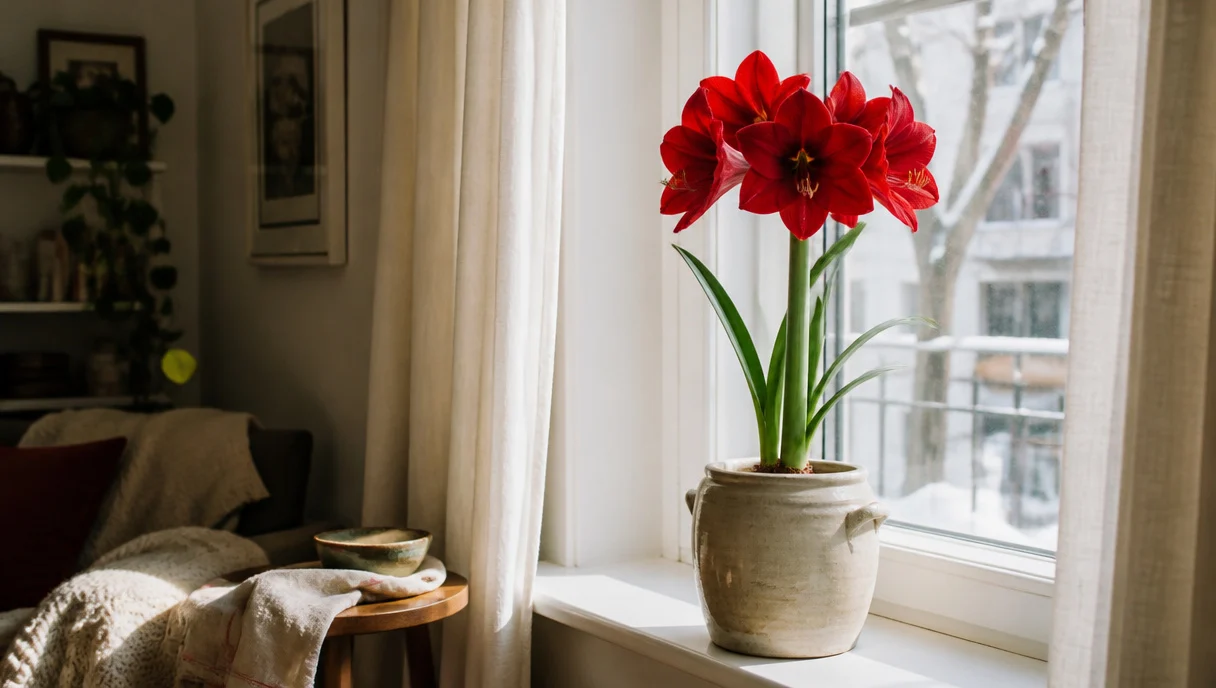
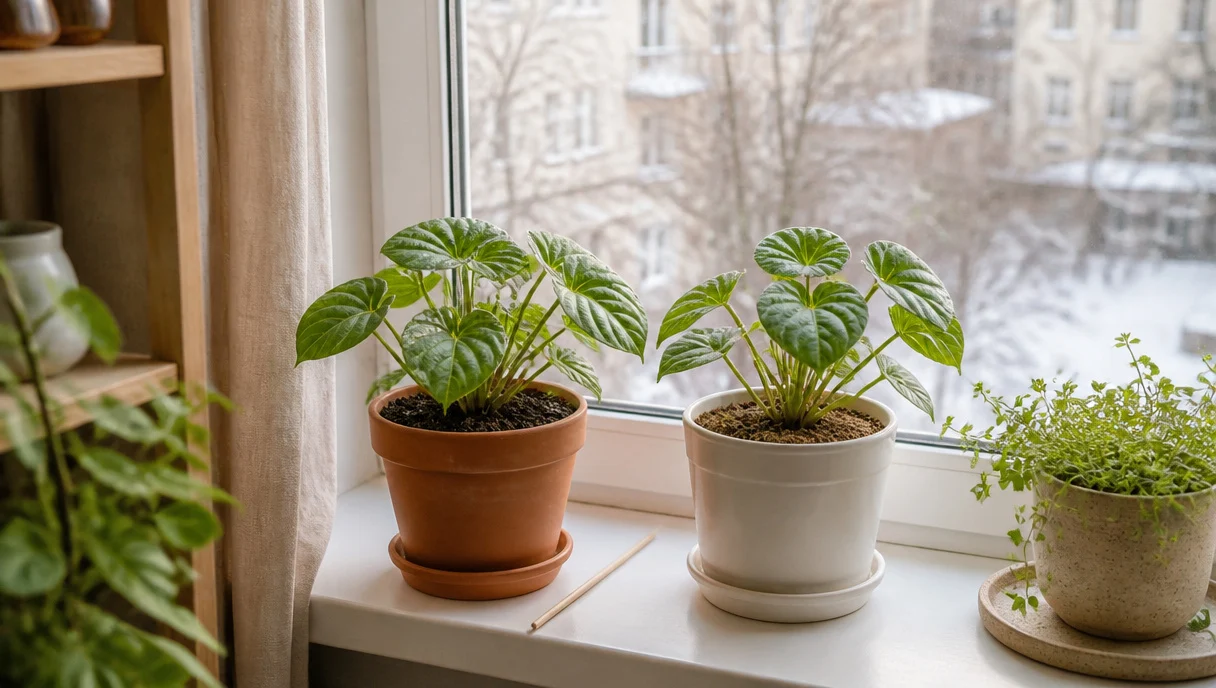
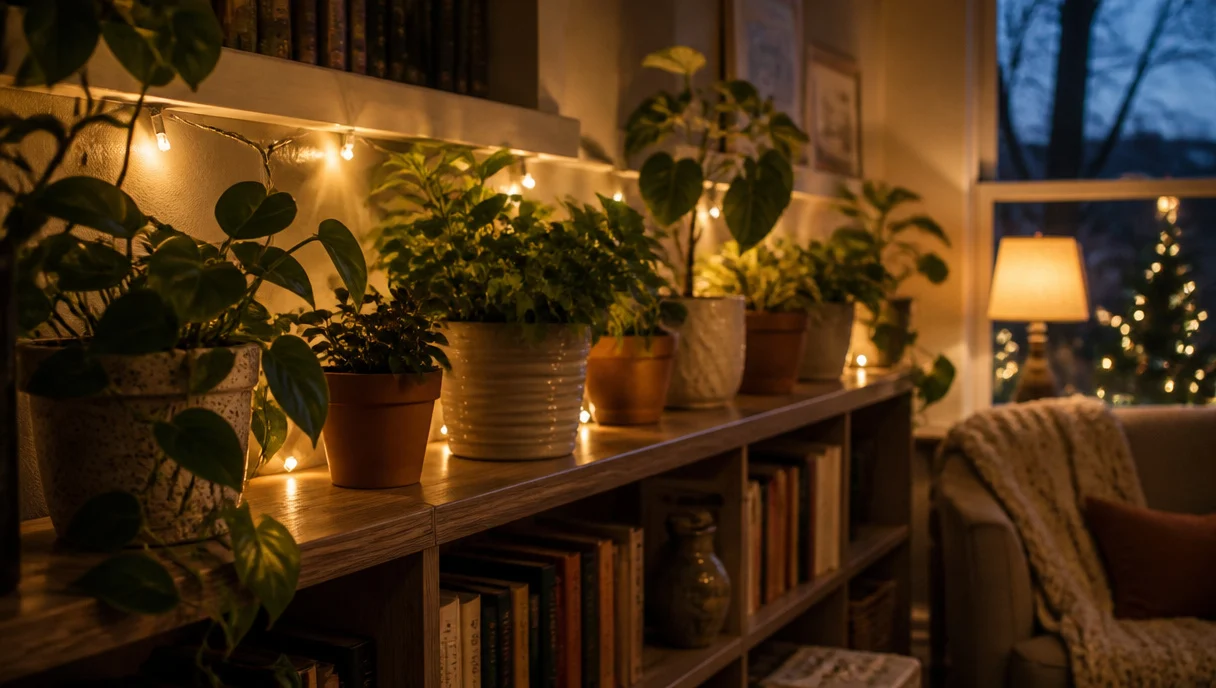
A bookshelf lined with plants sounds wonderful until water pools under the spines, the shelf sags under wet soil, or half the plants turn pale because they're sitting in shadow.
The good news is that a working plant shelf is not about styling talent or expensive design, it's about understanding what your light actually is, protecting your books and surfaces, and choosing plants that won't outgrow the space or demand constant fussing.
Whether you're renting and need something you can take with you, or you're working with particle board that's already looking questionable, a practical bookshelf garden is within reach. It takes some honest assessment of light, a few basic supplies you might already own, and real plant choices that fit the conditions you actually have.
Here's how to set one up so the books stay dry, the plants stay healthy, and the whole thing looks intentional instead of accidental.
Key Takeaways
- Assess your shelf's actual light conditions before selecting plants, as shelves near windows often receive softer indirect light than they appear to, which determines whether plants will thrive or merely survive.
- Choose compact plants that tolerate filtered or lower light and don't demand constant attention, since shelves offer limited depth and light comes from a single angle.
- Protect books and shelves from water damage by using practical barriers under pots, a single leak or forgotten watering can stain covers, warp spines, and damage the shelf itself.
- Check weight and stability before loading the shelf, as wet soil and ceramic pots are significantly heavier than books alone and can cause shelves to sag or wobble.
- Establish a realistic watering routine you'll actually maintain, since inconsistent care and water damage spread quickly and often determine whether your display thrives or fails.
Table of Contents
- Why Bookshelf Plant Displays Go Wrong Before You Start
- Read the Light Before You Add a Single Plant
- Choose Plants That Handle Shelf Conditions
- Protect Your Books and Shelves From Water Damage
- Layer Heights and Textures Without Visual Clutter
- Skip Matching Planters and Use What You Already Own
- Check Weight and Stability Before You Load the Shelf
- Build a Watering Routine You'll Actually Keep Up With
- Frequently Asked Questions
- Start Small, Then Expand
Why Bookshelf Plant Displays Go Wrong Before You Start
Most bookshelf plant disasters happen because you add plants for the way they look, not for the way the shelf actually works. You see a pretty variegated pothos in a shop and imagine it trailing down your bookcase, then bring it home without checking whether that shelf gets any real light.
Or you line up six small pots of succulents without thinking about drainage, only to find water pooling under your books three weeks later.

The three problems that derail most setups are straightforward:
- Light mismatch. Bookshelves often sit in corners or against interior walls where light is indirect at best. A plant that needs bright light will slowly fade instead of growing, and it will not look intentional or healthy.
- Water damage to books and surfaces. A pot without a saucer, or a saucer that overflows during watering, will ruin paper spines and stain wood or particle board. Once the shelf is wet, damage happens fast.
- Weight and stability. Wet soil is heavy. A shelf that holds dry books just fine may sag or warp under the combined weight of water, soil, and pots, especially if you are renting and the shelving is not designed for that load.
Most of these failures are preventable. You just need to know your light reality, protect your surface, and choose plants and containers that fit the actual space and weight limit you have. Skipping that assessment is what turns a bookshelf garden into a slow-motion wreck.
Read the Light Before You Add a Single Plant
A bookshelf near a window can feel bright enough when you stand in front of it, but the shelf itself may sit far enough back that light is softer and more indirect than you realize. The difference between a shelf that receives bright indirect light and one that gets only dim ambient light determines which plants will actually grow there, not just survive.

Spend one full day observing the shelf without moving it or adding anything. Note whether direct sun ever touches the shelf itself, or whether light stays soft and bounced.
Check the time when direct sun stops reaching that area. Look for obstacles, a wall, a curtain, a neighboring bookshelf, or even a building across the street, that block or reduce light during different parts of the day.
Distance matters more than you might think. A shelf that sits three feet back from a north-facing window receives far less usable light than one placed directly against that same window. The farther the shelf from the light source, the dimmer it gets, and the fewer plants will thrive there.
Once you know your actual light level, match it honestly to plants. A pothos or snake plant will tolerate low light without dying, but it will grow slowly and may look thin or pale.
Plants like begonias, philodendrons, or peperomias need bright indirect light to stay full and healthy. If your shelf is genuinely dim, either choose plants adapted to that reality or reconsider whether a bookshelf garden fits that space at all.
You may also find these useful:


Choose Plants That Handle Shelf Conditions
Not every houseplant suits a bookshelf. A shelf is a constrained space: light comes from one angle, depth is limited, and the plant shares real estate with your books. You need something that tolerates filtered or lower light, stays reasonably compact, and does not demand constant attention.

If your shelf receives bright indirect light and sits close to a window, you have more options. A small philodendron, pothos with training, or even a compact begonia can work. These stay fuller and more visually interesting than low-light survivors, and they grow at a pace that keeps them proportional to the shelf space.
For dimmer shelves farther from windows, stick with proven tolerators. Pothos and philodendron are reliable choices; both vine gently or trail if you let them.
A ZZ plant stays upright and architectural without spreading.
Snake plant works if you want something truly vertical and slow-growing. Small ferns add texture for brighter shelves, but they need consistent moisture and air circulation that a closed shelf may not provide.
One strong detail matters more than filling every gap. A single, well-chosen pothos or philodendron looks intentional and gives you a focal point. Several mismatched small plants can feel cluttered instead of curated, and they compete for water and attention.
Before buying, check the mature size. A small plant at the nursery may sprawl or reach three feet over a year or two. Research the cultivar's actual spread and whether it trails, vines, or stays upright.
A trailing habit can soften a shelf beautifully, but it will eventually cover book spines or hang over the edge. That is not wrong, but it is worth deciding on purpose.
Start with one plant matched to your light level and shelf depth. Once it settles in, you will have a clearer sense of whether the shelf environment suits another companion or remains perfect as is.
Protect Your Books and Shelves From Water Damage
Water and paper are a miserable combination. A single forgotten watering or a slow leak can stain book covers, warp spines, and damage the shelf itself. The good news is that a few practical barriers make the risk manageable, and you do not need custom solutions to protect your collection.

The safest setup uses a nursery pot inside a cachepot or saucer, not a decorative pot alone. A cachepot (a simple pot-shaped container without drainage) sits under the nursery pot and catches water that drains through.
You can reuse a plastic takeout container, a small bowl, or buy an inexpensive ceramic or metal cachepot. The key is that water stays contained and separate from the shelf surface.
Even with a cachepot, add a protective barrier between the pot and the shelf. A cork mat, a cut vinyl placemat, or a spare tile lifts the cachepot slightly and gives water room to evaporate without pooling directly on wood or particleboard. These cost almost nothing and can be replaced when they show wear.
Overwatering risk is higher on a bookshelf because you cannot always see excess water pooling underneath. Check the cachepot after watering, and empty it if water has collected.
Wipe the underside of the pot dry before setting it back on the shelf. In humid apartments or during wet seasons, inspect the barrier and the shelf surface every week or two to catch any lingering moisture early.
Start with one protective layer and keep the setup simple. A cachepot and a mat are not glamorous, but they protect books better than any trendy planter can.
Layer Heights and Textures Without Visual Clutter
A bookshelf works best when plants and books occupy the same visual space without competing for attention. The trick is creating intentional height variation and leaving plenty of breathing room so the arrangement feels styled rather than crammed.

Start with a simple formula per shelf section: one upright plant, one trailing plant, and one small mounded or compact plant. The upright anchors the group, the trailing softens the edge, and the small plant fills a gap without stealing focus.
You do not need every plant on the shelf or every inch covered with green.
Use stacked books as risers instead of buying plant stands. A couple of thin hardcovers under a cachepot lift a trailing pothos or philodendron above the shelf line so it cascades naturally without blocking adjacent books.
This works especially well at the end of a shelf or in a corner where the plant can drape without crossing into the next section.
The most common mistake is filling every gap. A packed shelf looks chaotic even if each plant is healthy and the water setup is perfect.
Leave at least one open zone per shelf for books or a small decorative object. That empty space makes the plants feel intentional instead of accidental.
Mix leaf shapes and textures: a spiky snake plant next to broad-leafed peperomia, or trailing string of pearls beside an upright sansevieria. Variety in texture and form makes the arrangement feel cohesive even on a small footprint.
Step back and look at the shelf from across the room.
If it reads as balanced and calm, you have left enough space. If it looks busy or overwhelming, remove one plant and see if the remaining group feels better.
Skip Matching Planters and Use What You Already Own
A bookshelf styled with plants does not require matching planters. In fact, a mix of container styles often looks more intentional than a coordinated set, and it keeps your budget reasonable while you figure out which plants actually thrive in your space.
The simplest approach is to leave plants in their nursery pots and slip them into any clean, stable container that fits. A ceramic bowl, a tin can, a glass jar, or a thrifted mug works as a cachepot.
This layers your options: if a plant needs to move to a brighter shelf or you want to swap it out later, the nursery pot slides out and goes with it. The outer container stays on the shelf.

Before you buy decorative planters, check what you already own. Glass jars left from candles or food work well for trailing plants where you want to see the stems.
Small ceramic dishes, vintage tins, or mismatched pottery cups create visual interest and cost nothing if you already have them. Make sure each cachepot is clean, has a stable base, and sits level on the shelf.
The one place spending a bit more makes sense is if you find a pot with a drainage hole that genuinely suits a plant you plan to keep long-term. A well-draining container reduces overwatering risk and gives the plant room to grow without constant repotting.
But even then, you can start with a nursery pot and upgrade only after the plant settles in.
Mismatched containers also solve a practical problem: they give you flexibility to use different depths and widths for different plant sizes. A shallow dish works for a small succulent, while a taller jar suits a trailing ivy. Matching sets often come in one size, which limits your options.
Check Weight and Stability Before You Load the Shelf
A bookshelf filled with books feels solid. A bookshelf filled with plants and water feels completely different. Wet soil is heavy, ceramic pots add more weight, and a shelf that holds books comfortably can sag or wobble under the combined load of several moist containers.

Before you arrange your plants, do a simple test. Push down gently on different points along the shelf surface.
Does the middle dip or flex noticeably?
Does the whole shelf tilt when you press on one end? If it moves more than a slight flex, that shelf is not ready for multiple planted containers, especially ceramic or terracotta pots.
Here's what matters most: heavier pots need to sit directly over shelf supports, not on the unsupported span in the middle. Most shelves have vertical supports at each end and sometimes in the center.
Distribute your largest, wettest pots along those load-bearing points. Keep lighter cachepots or trailing plants on the middle sections where there is more flex without risk.
Particleboard and metal bracket shelves are common in rentals and budget furniture, and they bend under sustained weight. If your shelf is already sagging with books, adding plants on top will make it worse. In that case, move some books off first or choose a sturdier shelf location.
Start with fewer plants than you think the shelf can hold. Watered soil is heavy, and the weight builds up fast once you commit to regular watering. A stable, lighter arrangement looks better and will last longer than an overloaded shelf that starts to bow.
Build a Watering Routine You'll Actually Keep Up With
A bookshelf display falls apart quickly if watering becomes chaotic or neglected. The difference between a thriving arrangement and a water-damaged mess often comes down to a realistic routine you can actually follow, not a perfect schedule you abandon after two weeks.

Skip the fixed watering day. Instead, check soil moisture by touch two or three times a week.
Press your finger about an inch into the soil. If it feels dry, water.
If it still holds moisture, wait another day or two. This method accounts for seasonal changes, humidity shifts, and differences between plants without requiring you to remember a calendar.
Never water plants while they sit on the shelf near your books. Move each pot to a sink, bathtub, or large tray before watering thoroughly.
Let it drain completely before returning it to the shelf. This protects your books and the shelf surface from water damage and gives you a chance to check the pot's drainage holes while you have it in hand.
Group plants with similar water needs on the same shelf section. Succulents and snake plants together in one area, moisture-loving plants like pothos or peperomia in another.
This way, you are not second-guessing each individual plant's thirst level. You check the moisture in one section, water what needs it, and move on.
Keep a small notebook or phone note near the shelf listing each plant and when you last watered it. You do not need an elaborate tracking system, just enough memory jogger to avoid overwatering one plant while forgetting another.
Frequently Asked Questions
Can any bookshelf hold plants safely?
Most shelves can support a few lightweight plants, but check for sag or wobble first. Heavy ceramic pots, wet soil, and multiple plants add real weight.
Distribute pots over the shelf brackets rather than stacking them in the center, and avoid shelves that feel flimsy when you press down on an empty shelf. If the shelf bows noticeably under an empty pot, it's not ready for wet soil and plants.
What plants tolerate the lower light near books?
Pothos, ZZ plant, snake plant, and philodendron adapt to dimmer, indirect light better than flowering plants. They'll grow more slowly than in brighter conditions and may become leggy over time, but they won't collapse in a corner away from windows.
Peperomia and satin pothos are also reliable choices. Avoid sun-loving plants like succulents or bright-light herbs in these spots.
How do I keep water off my books?
Keep every plant in a nursery pot with drainage holes inside a cachepot or saucer. Add a cork mat or vinyl sheet liner under the entire shelf for extra protection.
Most importantly, water plants over a sink or bathtub, not in place on the shelf.
Let them drain fully before returning them. This one habit prevents nearly all water damage.
Can I use the nursery pot as is, or do I need to repot?
You don't need to repot if the plant is healthy and the pot fits your space. A plain nursery pot inside a cachepot looks intentional and saves money. Repot only if the plant is rootbound, the pot is cracked, or you prefer the look of a single decorative container with visible drainage holes.
How often should I water bookshelf plants?
Check soil moisture by pressing your finger about an inch into the soil. Water when the top inch feels dry, not on a set schedule.
Light-tolerant plants like pothos and snake plants typically need water every 7-10 days in average indoor conditions, but this varies with pot size, soil, temperature, and season. Adjust based on what you actually see and feel.
What if my books smell musty or show signs of moisture damage?
Move the plants away immediately and let the shelf dry completely. Increase air circulation in the room.
If books are already damp, move them to a warmer, drier spot. Musty smell often signals sustained humidity rather than a single watering accident.
A mat or saucer under each pot plus strict no-watering-in-place habits will prevent this. If damage is visible, the books may not recover fully.
Is a self-watering planter safe for bookshelf plants?
Self-watering planters can work for low-light plants like pothos and peperomia, but they're riskier in confined spaces where humidity rises. Water sits at the base, and if the pot sits directly on wood or paper books, moisture can wick into them.
If you use one, still place it in a cachepot with a liner underneath, and check the water reservoir regularly so it doesn't overflow.
Can I put trailing plants like pothos on a bookshelf?
Yes, but manage the vines. Trailing pothos works well on a top shelf or a tall bookshelf where vines can drape over the edge without touching books below.
Pinch it back occasionally to keep it from sprawling across the entire shelf and shading other plants. In a confined space, an upright plant or a shorter, bushier cultivar may be easier to maintain.
What if the bookshelf is in a rented apartment and I can't make permanent changes?
You're working with exactly the setup most people have. Use a removable shelf liner (cork or vinyl) under the entire shelf for water protection.
Keep plants in their original pots inside decorative cachepots so you can move everything easily if you leave.
Avoid drilling, mounting, or attaching anything to the shelf itself. A simple, mobile arrangement works fine for renters.
Will plants release pollen or spores that damage my books?
This is rarely a major problem with the low-light, foliage-focused plants recommended for bookshelves. They don't flower indoors much, so pollen shedding is minimal.
Mold or fungus is a much bigger risk if humidity stays high and air circulation is poor. Space plants a few inches apart, avoid overwatering, and open a window occasionally to keep air moving around the shelf.
Start Small, Then Expand
You do not need to restyle your entire bookcase at once. Pick one shelf section, check its actual light, and choose a single plant that genuinely suits those conditions. Set it up with a saucer or cachepot before you add anything else.
Once that section is working without soggy books or a wobbly shelf, you'll know exactly how to repeat it across the rest of the bookcase. You'll also know whether the arrangement solves the problem you were hoping to solve, or whether a different approach would work better for your space and your books.
A bookshelf with plants can look intentional and alive without sacrificing either the plants or the books. It just takes water protection, honest light assessment, and plants that fit the job.